
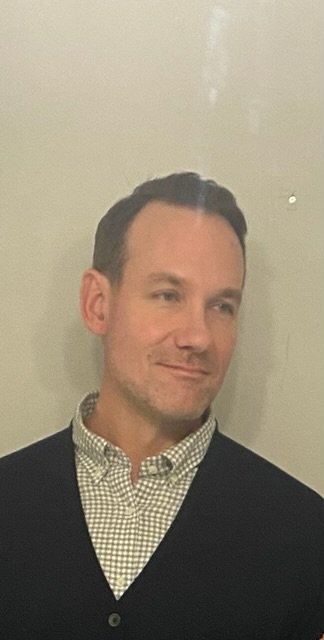

Andrew Guthrie, Ph.D.,Tcpp dip., R.P.
Andrew has been a psychotherapist in Toronto since 2000, and he is currently a member of the College of Registered Psychotherapists. He trained at Concordia and McGill Universities, the University of Toronto, the Toronto Child Psychoanalytic Program, and the Toronto Institute of Contemporary Psychoanalysis. He offers psychodynamic assessments and psychotherapy that reflect a deep knowledge of the psychotherapy field and a genuine commitment to the patients in his care. He treats a wide variety of emotional and behavioural problems with his professional yet compassionate approach. Having established a niche in Toronto for his work with children, adolescents and adults, Andrew offers an effective alternative treatment to the standard medical model of diagnosis and medication. Please contact Andrew today for a complementary telephone consultation.
Ella Rogalska, DTATI, Dip. TCPP, Cert. IMHS., R.P.
Ella has been a psychotherapist in Toronto since 2000, and she is currently a member of the College of Registered Psychotherapists. She specializes in working with children of all ages, including mother-infant and mother-toddler psychotherapy, where mother and child attend sessions together. Offering support and guidance to parents is an important aspect of her practice.
Half of Ella's practice is focused on treating adolescents and adults. Her orientation is psychodynamic, attachment, and trauma-informed. She focuses on helping clients achieve a sense of relief from symptoms by faciliating deeper insight and freer life choices that are less inhibited by past experience.
Ella's approach to psychotherapy is based on the idea that each person lives in a unique relational world that requires unpacking in a safe place, with the right person. Her treatment is customized to the needs of each individual or family. Her extensive training in psychoanalysis, child and adolescent psychotherapy, and infant mental health studies, helps her guide individuals to a deeper understanding of the deeply rooted patterns involved in the persistence of their difficulties.
Ella is a graduate of the Toronto Child Psychoanalytic Program and the Toronto Art Therapy Institute, where she also teaches the theory and practice of psychotherapy. She holds a certificate in Infant Mental Health Studies from the Toronto Psychoanalytic Society. She is the President of the Canadian Association of Psychoanalytic Child Therapists.
Please call Ella today for a complementary phone consultation.
Danita Perepeluk, MSW, RSW.
Danita utilizes a biological/emotional/social approach to her treatment situated in the knowledge of current theoretical frameworks and social work practice standards including anti-oppression, anti-racism, harm reduction and determinants of health approaches. She is a member of the Ontario Association of Social Workers and is registered with the Ontario College of Social Workers and Social Service Workers.
Danita is a graduate of the University of Toronto where she obtained her Master of Social Work specializing in Mental Health. She completed her thesis under the supervision of the founder and principal investigator of Emotion Focused Therapy at York University in the acquisition of her Spec. Hons. degree in Psychology.
Danita fostered her commitment to a trauma informed client centered interprofessional model of health and well being in working in hospital and community settings, community health clinics and privately funded specialized treatment centers. As part of the Women’s College Hospital Mental Health team, Trauma Therapy Program and Women Recovering from Abuse Program she advanced her knowledge of the treatment of trauma, dissociative disorders, addictions, eating disorders and self harm utilizing a multimodal approach grounded in Relational Cultural Therapy.
Danita’s psychotherapeutic work is weighted in Interpersonal, Mindfulness-Based, Psychodynamic, Relational, Sensorimotor, Internal Family Systems (IFS) Theory and Cognitive Behavioral orientations. Her desire to honour the complexity and uniqueness of each client’s experience is reflected in her continuous professional development. She is passionate about reducing the barriers client’s encounter which disconnect them from being authentic in their lives, their relationships and within themselves.
Please call Danita today for a complementary telephone consultation.

Ella Rogalska, DTATI., TCPP dip., IMHS cert., R.P.

Danita Perepeluk, MSW, RSW.